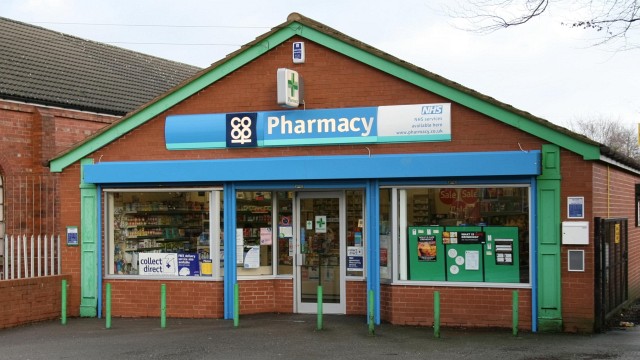
In the popular imagination, a thriving small town economy always has a bakery, a grocery store, a school and a small cafe, but if there’s one business that is often overlooked, it would be the local pharmacy. For a business that could be as essential as a grocery store, it is time to shine the spotlight on the local pharmacies that provide the medicine that keep the locals healthy and diseases at bay, and consider how a micro-currency wallet’s micro-currency model could help them.
Most pharmacies stock a huge variation of medicine. There are some products that are not as fast moving as others. But most medicine, if not all, have expiry dates. Once this medicine expires, it cannot be sold anymore. For local pharmacies, even a small amount of profit loss could greatly affect the stability of their income. This is where having a micro-currency wallet can help them.
With a micro-currency wallet, the local pharmacy can create their own currency that they can use as loyalty points that they send to their customers when their customers shop with them. To minimize the cost of this Loyalty Points Program, these points can be made redeemable only for the items that are uploaded on their shop’s account with a micro-currency wallet, and local pharmacies can choose to only upload items that are not selling as quickly and getting close to their expiry date. So instead of taking a loss on the entire capital cost on the soon-to-be expired drugs, they can start selling them on a micro-currency wallet platform and accept points as payment.
Another avenue that pharmacies issuing their own micro-currency opens up to them is being able to trade their currency for other stores’ merchandise or store credit. This converts pharmacy merchandise that would otherwise be thrown away, into an asset that allows them to acquire valuable goods/services.
Either way, by allowing a business to monetize their close-to-expired stocks, a micro-currency wallet provides businesses like pharmacies with a clear upside with no downside attached to it, while expanding the range of goods/services that the consumer market can avail themselves to at discounted costs.